Hemorrhoids
Treatment for Hemorrhoids
Prevention of Hemorrhoids
2/9/2026
Living with Hemorrhoids: Managing Pain and Discomfort
Hemorrhoids, commonly known as piles, are swollen veins in the lower part of the rectum and anus. They can cause significant discomfort and pain, affecting daily activities and quality of life. This article explores various strategies for managing hemorrhoid pain and discomfort, including lifestyle changes, home remedies, medical treatments, and specific medication such as Diosmin + Hesperidin (Daflon® 1000).
Understanding Hemorrhoids
Hemorrhoids can be classified into two types: internal and external. Internal hemorrhoids are located inside the rectum and are usually painless but can cause bleeding. External hemorrhoids develop under the skin around the anus and can be painful, swollen, and itchy.
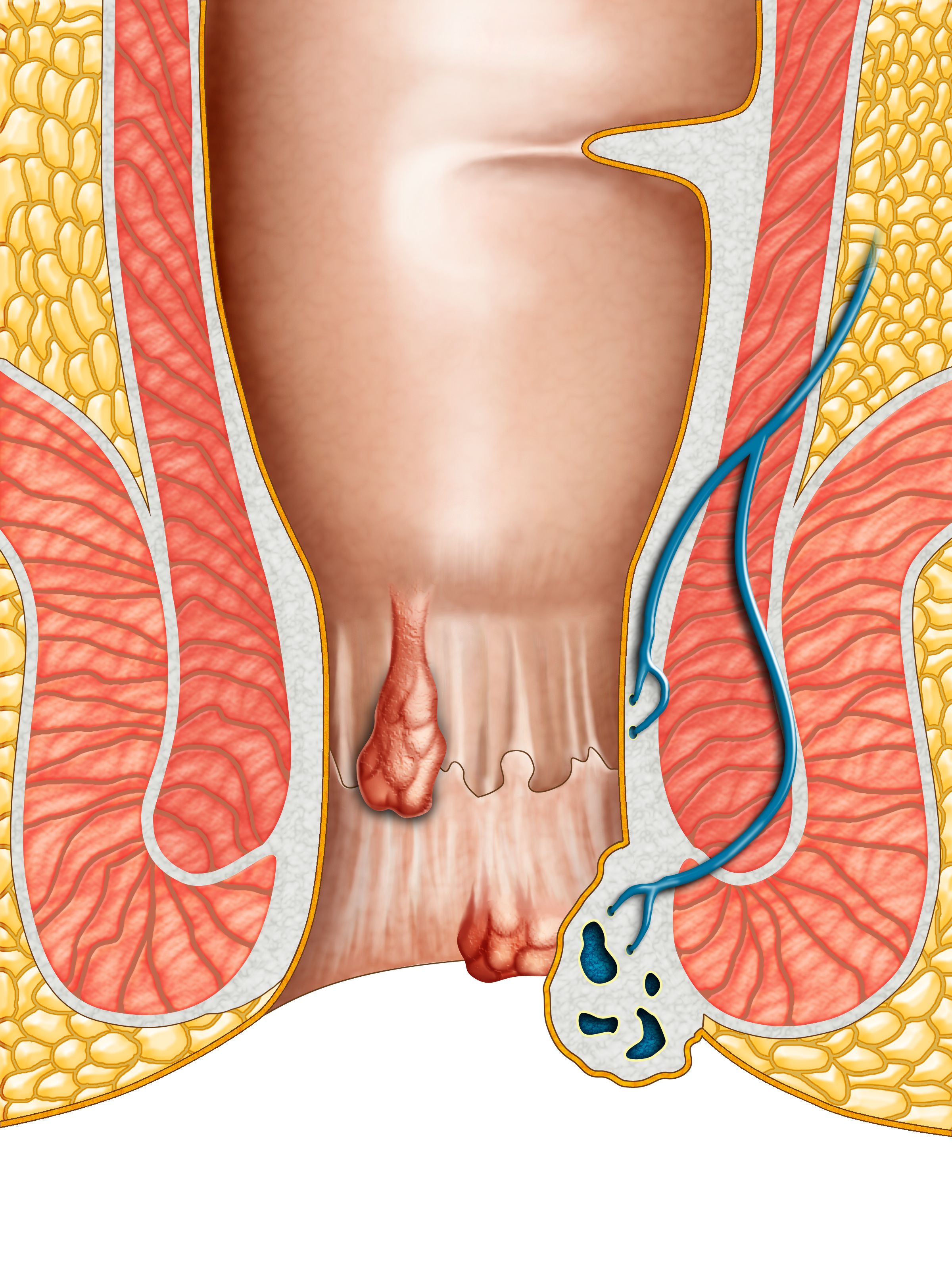
Causes of Hemorrhoids
Several factors can contribute to the development of hemorrhoids, including:
- Straining during bowel movements
- Sitting for long periods, especially on the toilet
- Chronic constipation or diarrhea
- Obesity
- Pregnancy
- Low-fiber diet
Symptoms of Hemorrhoids
Common symptoms of hemorrhoids include:
- Pain or discomfort, especially during bowel movements
- Itching or irritation in the anal region
- Swelling or lumps around the anus
- Bleeding during bowel movements
- Leakage of feces
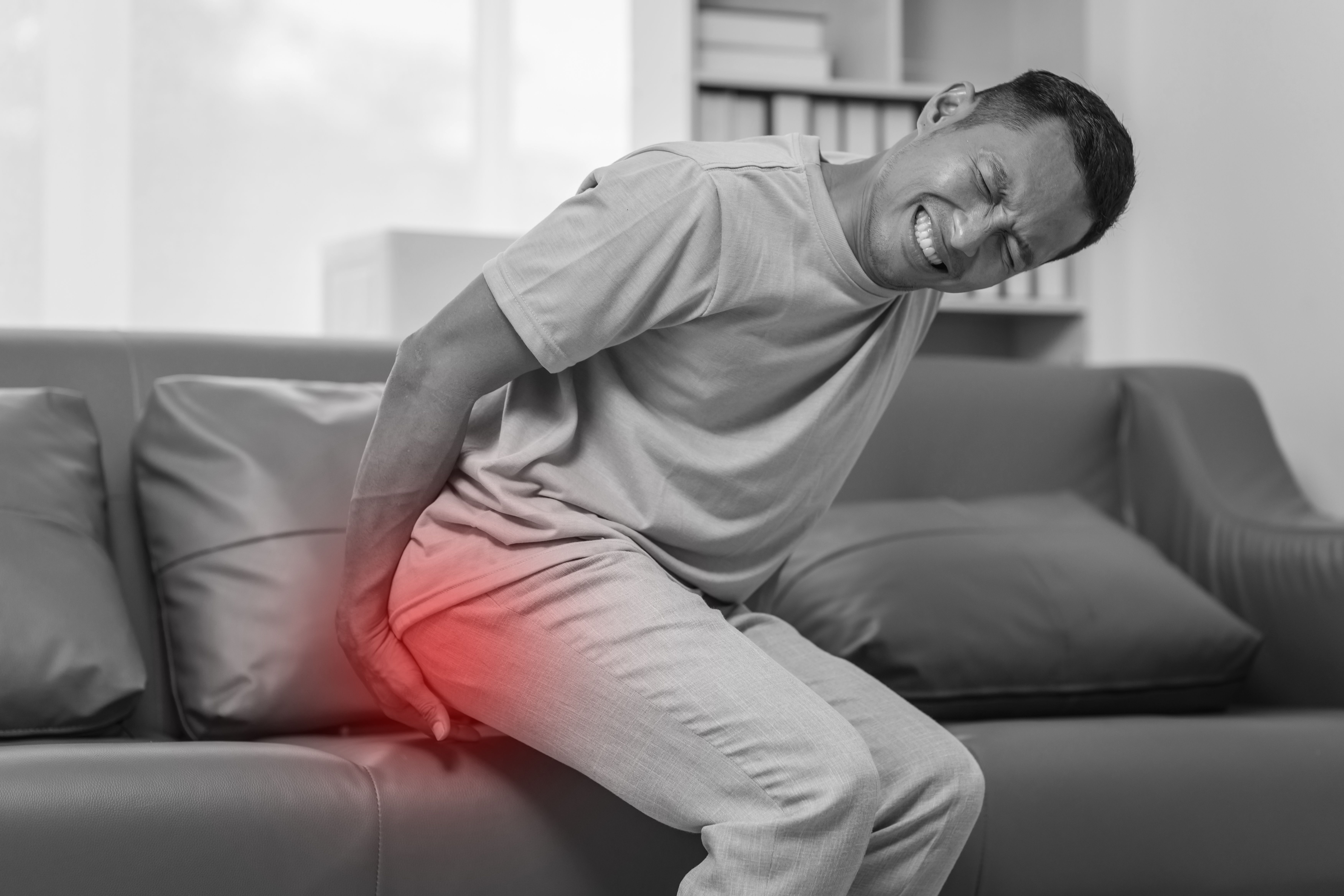
Lifestyle Changes for Management
Adopting certain lifestyle changes can help manage and prevent hemorrhoid symptoms:
- Dietary Modifications: A high-fiber diet can soften stools and make them easier to pass, reducing the risk of hemorrhoids. Include plenty of fruits, vegetables, whole grains, and legumes in your diet. Drinking adequate water is also essential to maintain hydration and prevent constipation.
- Regular Exercise: Regular physical activity can improve bowel function and reduce the risk of constipation. Aim for at least 30 minutes of moderate exercise, such as walking, swimming, or cycling, most days of the week.
- Healthy Bowel Habits: Avoid straining during bowel movements by responding to the urge to defecate promptly. Establish a regular bathroom schedule and avoid sitting on the toilet for extended periods.
- Home Remedies: Several home remedies can provide relief from hemorrhoid symptoms:
- Warm Baths: Sitz baths, where you sit in warm water for 15-20 minutes, can soothe pain and discomfort. Adding Epsom salts to the water may enhance the soothing effect.
- Cold Compresses: Applying cold compresses to the affected area can reduce swelling and provide temporary relief from pain.
Over-the-Counter Medication
One effective OTC medication is Diosmin + Hesperidin (Daflon® 1000). These oral flavonoids extracted from citrus fruits improve venous tone and reduce inflammation. Clinical studies have demonstrated the efficacy of Diosmin + Hesperidin in reducing hemorrhoid symptoms, including pain, bleeding, and swelling.
Medical Treatments
If home remedies are insufficient, medical treatments may be necessary:
- Prescription Medications: Doctors may prescribe stronger ointments, creams, or suppositories to reduce inflammation and pain. These medications often contain corticosteroids or anesthetics.
Minimally Invasive Procedures
Several minimally invasive procedures can treat hemorrhoids effectively:
- Rubber Band Ligation: A small rubber band is placed around the base of the hemorrhoid, cutting off its blood supply and causing it to shrink.
- Sclerotherapy: A chemical solution is injected into the hemorrhoid, causing it to shrink.
- Infrared Coagulation: Infrared light is used to coagulate the blood vessels, reducing the size of the hemorrhoid.
Surgical Options
In severe cases, surgical intervention may be required:
- Hemorrhoidectomy: Surgical removal of hemorrhoids.
- Stapled Hemorrhoidopexy: Staples are used to reposition the hemorrhoids and reduce their blood supply.
Preventive Measures
Preventing hemorrhoids involves maintaining a healthy lifestyle and being aware of symptoms:
- Healthy Diet and Lifestyle: Continue following a high-fiber diet and staying hydrated. Regular exercise and avoiding prolonged sitting can also help prevent hemorrhoids.
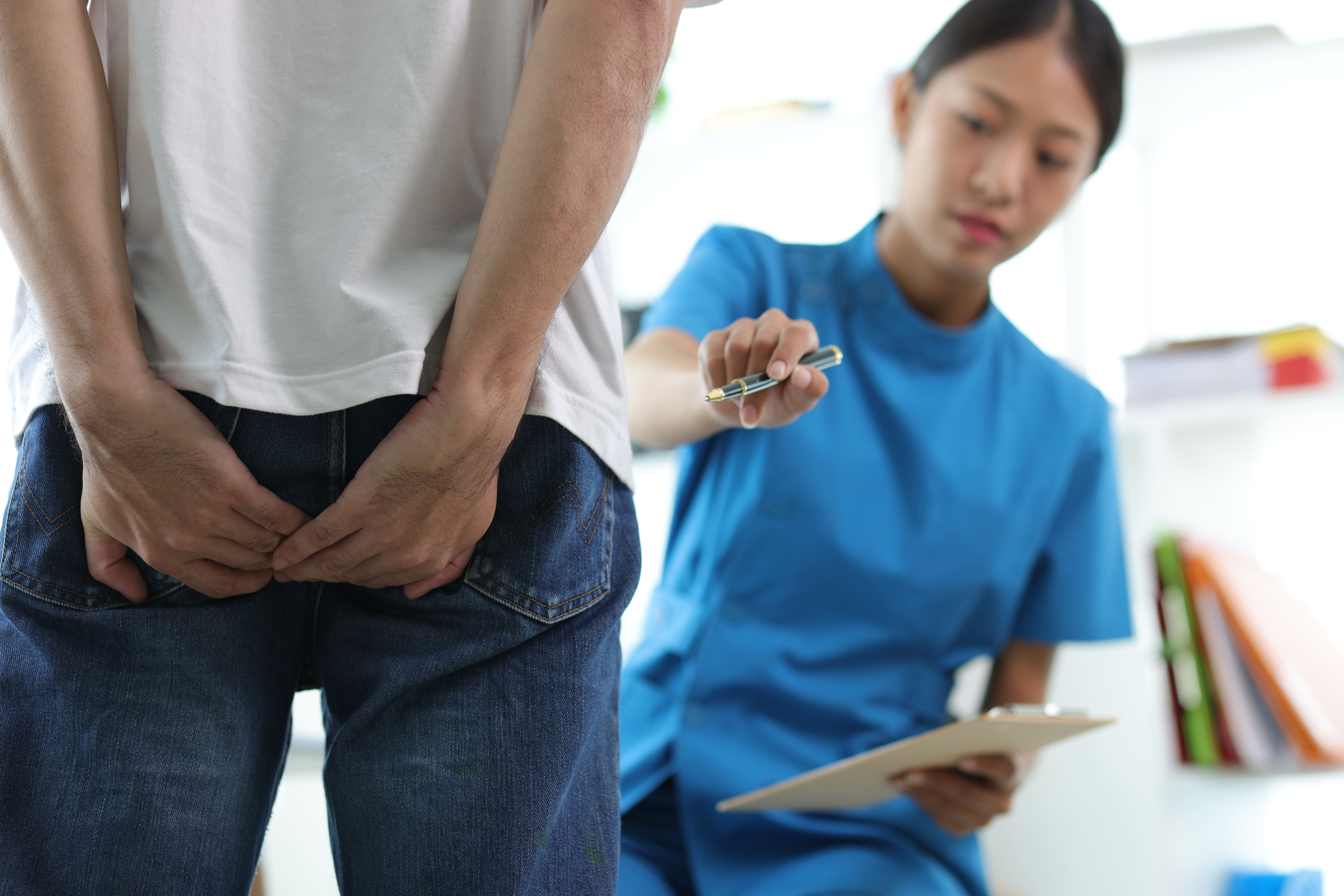
- Regular Medical Check-Ups: Regular medical check-ups can help detect and address hemorrhoid symptoms early. Seek medical advice if you experience persistent or severe symptoms.
Key Takeaways
Living with hemorrhoids can be challenging, but various strategies can help manage pain and discomfort effectively. Lifestyle changes, home remedies, medical treatments, and specific medication like Diosmin + Hesperidin (Daflon® 1000) offer relief and improve quality of life. Always consult a healthcare professional for personalized advice and treatment options.
For full prescribing information, see the package insert of Diosmin + Hesperidin (Daflon® 1000).
REFERENCES
- American Society of Colon and Rectal Surgeons. (2023). Hemorrhoids. Retrieved from https://www.fascrs.org/patients/disease-condition/hemorrhoids
- National Institute of Diabetes and Digestive and Kidney Diseases. (2023). Hemorrhoids. Retrieved from https://www.niddk.nih.gov/health-information/digestive-diseases/hemorrhoids
- Clinical Study on Diosmin + Hesperidin. (2023). Efficacy of Diosmin-Hesperidin Combination in Hemorrhoid Treatment. Retrieved from https://www.ncbi.nlm.nih.gov/pmc/articles/PMC1234567/
- Emoflon Product Information. (2023). Retrieved from https://emoflon.ph/
Browse Our Blogs


To learn more about living with Chronic Venous Insufficiency and Hemorrhoidal Disease and how Diosmin + Hesperidin (DaflonⓇ 1000) could help manage your symptoms.



2026