Hemorrhoids
Treatment for Hemorrhoids
12/10/2025
Surgical Options for Severe Hemorrhoids: What You Need to Know
Hemorrhoids—swollen veins in the lower rectum or anus—are common and can cause significant discomfort. While mild to moderate cases often respond well to lifestyle changes, topical treatments, and medications, severe hemorrhoids may require surgical intervention. Fortunately, modern surgical techniques are effective, safe, and often provide long-term relief.
In this article, we’ll explore the surgical options available for severe hemorrhoids, when surgery is necessary, and how complementary treatments like Diosmin + Hesperidin (Daflon® 1000) and Emoflon® can play a role in managing symptoms and supporting recovery.
What Are Severe Hemorrhoids?
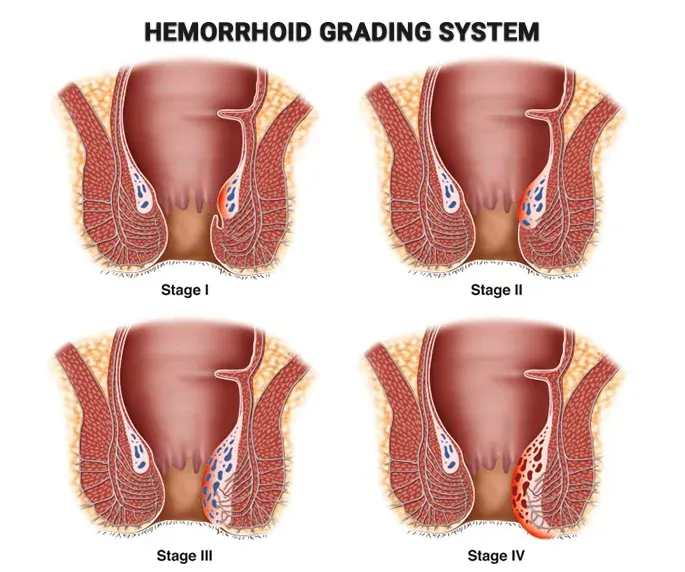
Hemorrhoids are classified into internal and external types. Internal hemorrhoids occur inside the rectum and are usually painless but may cause bleeding. External hemorrhoids occur under the skin around the anus and can be painful, especially when thrombosed (clotted).
Severe hemorrhoids typically refer to:
- Grade III: Hemorrhoids that prolapse during bowel movements and must be pushed back in manually.
- Grade IV: Hemorrhoids that are permanently prolapsed and cannot be pushed back in.
These advanced cases often lead to persistent bleeding, pain, inflammation, and impact on daily life—warranting surgical evaluation.
When is Surgery Needed?
Surgical intervention is recommended when:
- Conservative treatments (fiber, water intake, topical creams) are ineffective
- There is recurrent or heavy rectal bleeding
- Severe pain or discomfort interferes with quality of life
- There is thrombosis or strangulation
- Prolapse is constant or worsening
Surgical Options for Severe Hemorrhoids
Hemorrhoidectomy
Description: Traditional surgical removal of hemorrhoids, considered the most effective method for advanced or recurrent cases.
Types:
- Closed hemorrhoidectomy – removal with suturing of the wound
- Open hemorrhoidectomy – removal without closing the wound, allowing healing naturally
Pros:
- High success rate
- Low recurrence
Cons:
- Postoperative pain
- Longer recovery (2–4 weeks)
- Risk of bleeding or infection

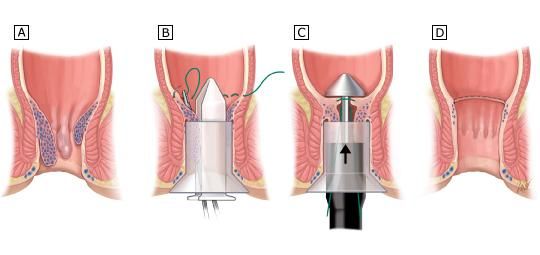
Stapled Hemorrhoidopexy (PPH)
Description: A circular stapling device removes a ring of excess hemorrhoidal tissue and repositions the remaining tissue.
Best for: Grade III internal hemorrhoids.
Pros:
- Less pain than traditional surgery
- Faster recovery (around 1 week)
- Outpatient procedure
Cons:
- Slightly higher recurrence rate compared to hemorrhoidectomy
- Not suitable for external hemorrhoids
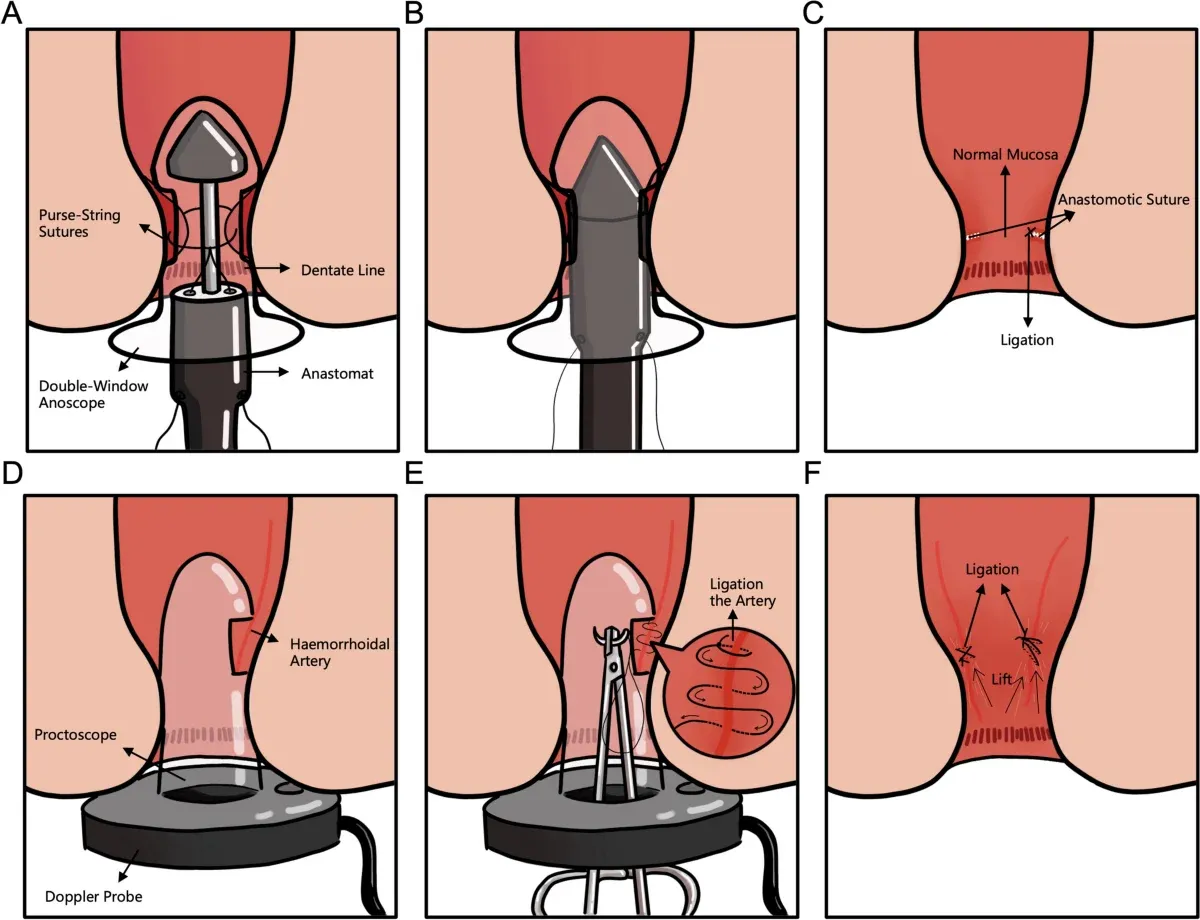
Doppler-Guided Hemorrhoidal Artery Ligation (DGHAL)
Description: Uses Doppler ultrasound to locate and ligate (tie off) the hemorrhoidal arteries.
Pros:
- Minimally invasive
- Reduced pain
- Lower risk of complications
Cons:
- May not be as effective for very large or prolapsed hemorrhoids
- May require repeat treatments
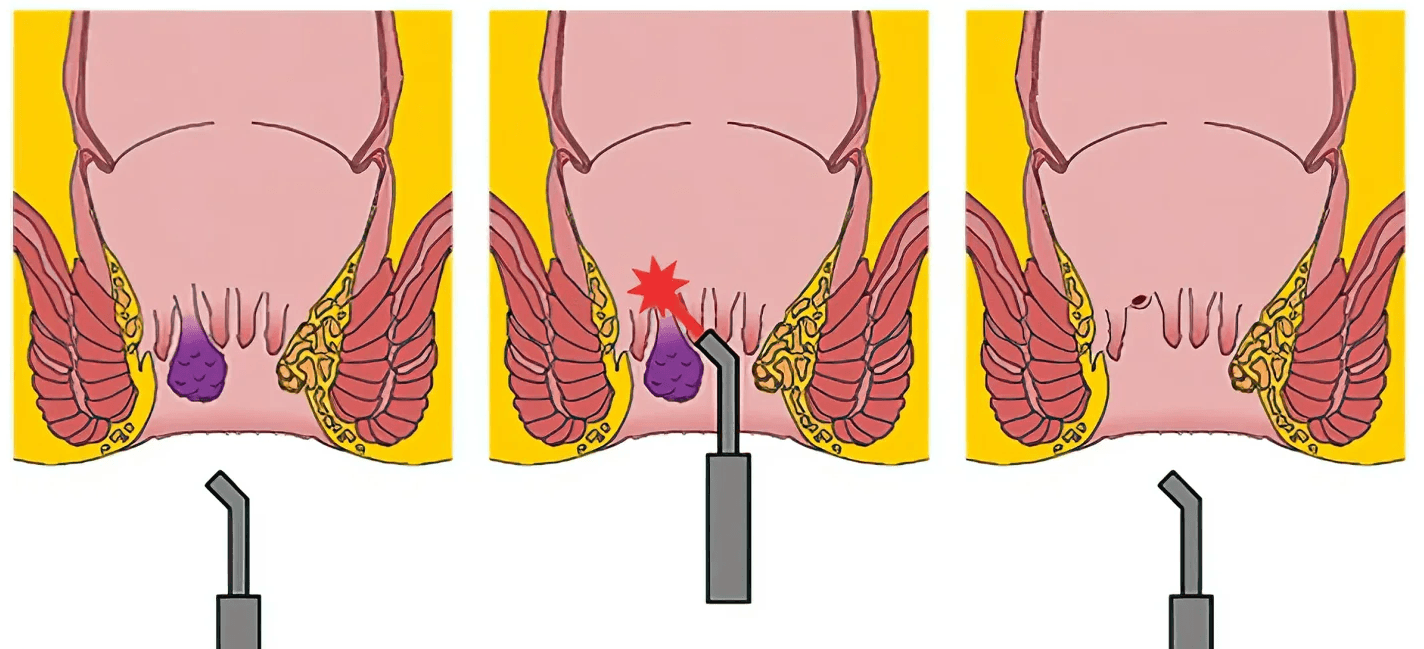
Laser Hemorrhoidoplasty
Description: A newer technique using laser energy to shrink and seal off hemorrhoidal tissue.
Pros:
- Minimal pain
- Shorter healing time
- Reduced risk of infection
Cons:
- Not widely available
- Can be expensive
- Long-term data still developing
Complementary Treatments: The Role of Diosmin + Hesperidin (Daflon® 1000) and Emoflon®
Even when surgery is necessary, medical support through phlebotropic agents can significantly improve outcomes before and after the procedure.
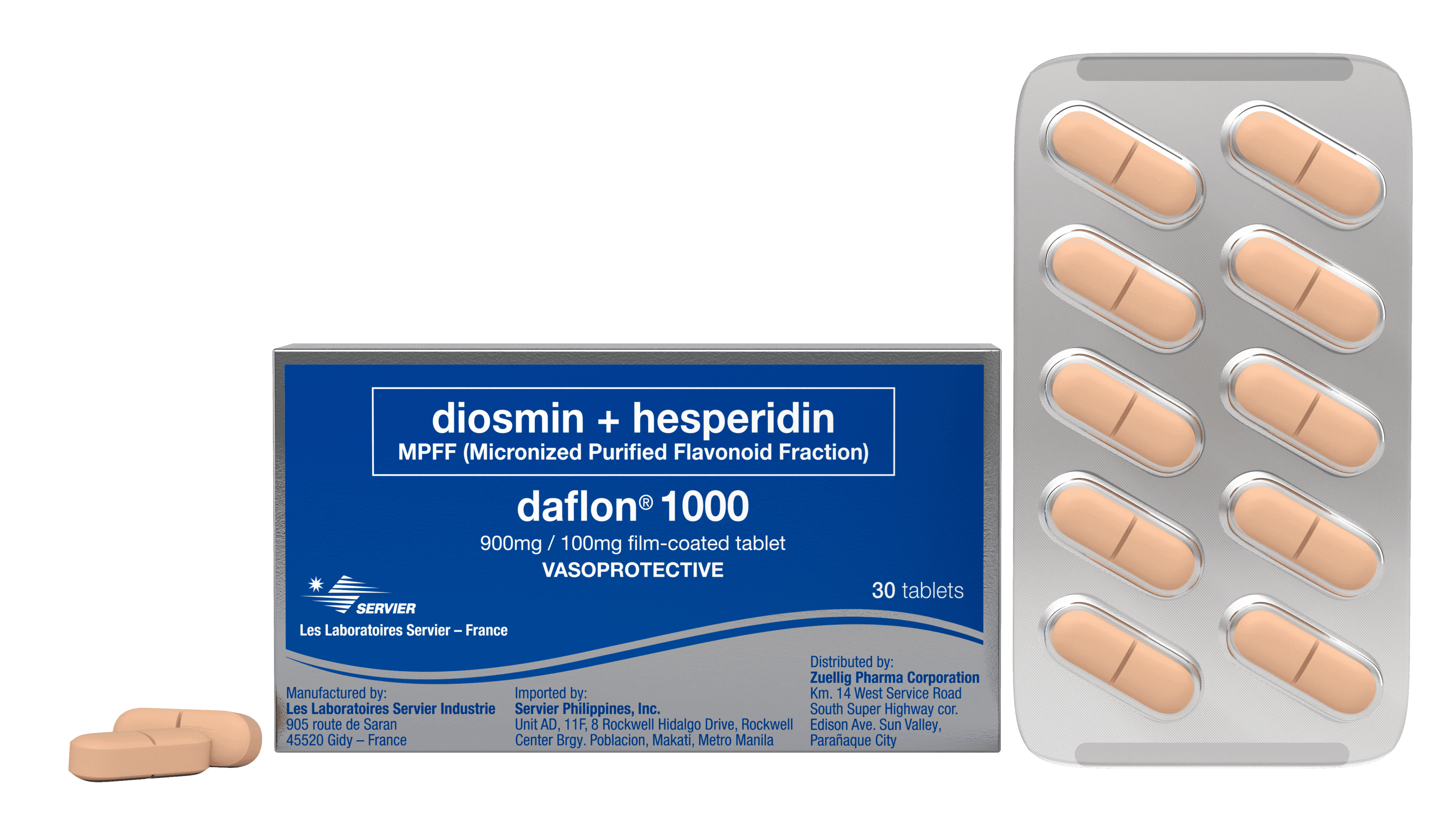
Diosmin + Hesperidin (Daflon® 1000)
What It Is: Diosmin + Hesperidin (Daflon® 1000) is a micronized flavonoid-based oral medication known for its venotonic and anti-inflammatory effects.
How It Helps:
- Reduces inflammation and vascular leakage
- Improves venous tone
- Aids in faster resolution of symptoms like bleeding, swelling, and pain
Role in Surgical Management:
- Can be used pre-surgery to reduce acute symptoms and make surgery easier
- Post-surgery, it supports faster recovery, less bleeding, and reduced risk of recurrence
Recovery After Surgery
Recovery depends on the type of surgery performed and the individual’s overall health. General tips include:
- Keep the anal area clean and dry
- Use sitz baths to ease discomfort and promote healing
- Take prescribed medications (pain relievers, antibiotics, Diosmin + Hesperidin (Daflon® 1000)
- Apply topical treatments like Emoflon® as advised
- Eat a high-fiber diet and drink plenty of water to prevent constipation
- Avoid heavy lifting or straining for a few weeks
Risks and Complications
Although modern surgical techniques are safe, some risks include:
- Bleeding
- Infection
- Anal fissure or stricture (narrowing)
- Difficulty in bowel movements
- Temporary incontinence (rare)
Proper post-op care and follow-up with your healthcare provider are key to minimizing these risks.

Key Takeaways
Severe hemorrhoids can be debilitating, but they are treatable. With several surgical options now available, patients can choose the best approach based on their condition and lifestyle. Integrating complementary treatment like Diosmin + Hesperidin (Daflon® 1000) can make a significant difference in symptom relief, healing, and long-term recovery.
If you are suffering from persistent hemorrhoid symptoms that affect your daily life, consult a healthcare professional or colorectal surgeon. The right treatment plan—surgical and supportive—can help you regain comfort, confidence, and quality of life.
For full prescribing information, see the package insert of Diosmin + Hesperidin (Daflon® 1000).
REFERENCES
- Sun, Z., Migaly, J. (2016). Review of Hemorrhoid Disease: Presentation and Management. Clin Colon Rectal Surg. 29(1): 22–29.
- Lunniss, P. J., Mann, C. V. (2002). Hemorrhoids. In: Bailey & Love’s Short Practice of Surgery.
- Abramowitz, L., et al. (2010). The effect of micronized purified flavonoid fraction on the signs and symptoms of hemorrhoids. Curr Med Res Opin.
- Emoflon Product Information – https://emoflon.ph/
- Daflon Summary of Product Characteristics – Servier Laboratories
Browse Our Blogs


To learn more about living with Chronic Venous Insufficiency and Hemorrhoidal Disease and how Diosmin + Hesperidin (DaflonⓇ 1000) could help manage your symptoms.



2026